How Do You Know a Remote Accountant Is Qualified? A Checklist for US Businesses
Your books are only as good as the person keeping them. Here are the five qualifications to check, a simple test to run before you hire, and the review routine that keeps month-end clean.
Book a 15-min call See the checklist
What qualifications should a remote accountant have?
A remote accountant should bring five things: a recognized accounting degree, hands-on QuickBooks Online experience, a working knowledge of US GAAP basics and sales tax, strong written English, and a record of clean reconciliations. Miss one and you usually feel it at month-end.
1. A recognized accounting degree
A degree in accounting or finance means they understand double-entry logic, accruals and the reasons behind each entry, not only which buttons to click.
2. Hands-on QuickBooks Online
Bank feeds, bank rules, reconciliations, journal entries, bills, invoices and reports. Ask what they did in QuickBooks Online last week, not whether they have "used it".
3. US GAAP basics and sales tax
They should know the difference between cash and accrual, how to book prepaid expenses and deferred revenue, and how sales tax liability is tracked in the books.
4. Strong written English
Most accounting questions travel by email or chat. Clear written notes ("this deposit has no matching invoice, can you confirm the customer?") save you hours.
5. A clean reconciliation track record
Ask how they documented their last reconciliation, what they do with unmatched items, and how they hand over open questions to a reviewer.
If you are hiring abroad for the first time, our guide on hiring abroad for US small businesses covers the bigger picture, and does nearshore staffing save money? explains where the value comes from.
How do you test a remote accountant's skills before hiring?
The best test is a short, practical one: give the candidate a sample bank reconciliation in QuickBooks Online and watch how they work. An interview tells you what someone knows. A reconciliation tells you how they think.
- Set up a sandboxUse a QuickBooks Online test company with one month of sample transactions. Never share your live books with a candidate.
- Plant a few problemsInclude a duplicated deposit, a miscategorized expense, a check that has not cleared yet and a payment with no supporting document.
- Ask for a written summaryRequest the finished reconciliation plus a short note explaining every adjustment and every open question.
- Review the reasoningDid they find the planted issues? Did they ask before guessing? Is the note clear enough that someone else could pick up the work tomorrow?
Keep the exercise short, around an hour of work. You want to see method and communication, not endurance.
What are the most common reconciliation errors — and how do you prevent them?
The most common reconciliation errors are duplicate entries, miscategorized transactions, timing differences and missing documentation. Each has a simple, repeatable fix.
Duplicate entries
They happen when a transaction is entered by hand and then also comes in through the bank feed. Prevention: match bank-feed items to existing entries before adding new ones, and check for duplicates before closing the month.
Miscategorized transactions
A software subscription booked as office supplies, or an owner draw booked as an expense. Prevention: a written chart-of-accounts guide, well-built bank rules, and a monthly look at unusual balances.
Timing differences
Checks and deposits that appear in the books in one month and at the bank in the next. Prevention: list outstanding items on every reconciliation and clear or chase anything that stays open too long.
Missing documentation
Entries with no receipt, invoice or note behind them. Prevention: attach support to the transaction in QuickBooks Online and keep a simple "waiting on owner" list for anything missing.
"Clean books are not about catching every mistake at the end. They come from small habits repeated every week."
How do you keep quality consistent at month-end?
Keep month-end consistent with a three-step review, preparer to reviewer to owner sign-off, and the same close checklist every month. Nobody should review their own work alone.
- PreparerYour remote accountant reconciles every account, books adjusting entries and writes a short note on anything unusual.
- ReviewerA second person, such as your in-house bookkeeper, controller or outside CPA, checks the reconciliations, the notes and the reports before anything is final.
- Owner sign-offYou read the summary, ask questions and approve the month. Then the period is closed in QuickBooks Online so nothing changes after the fact.
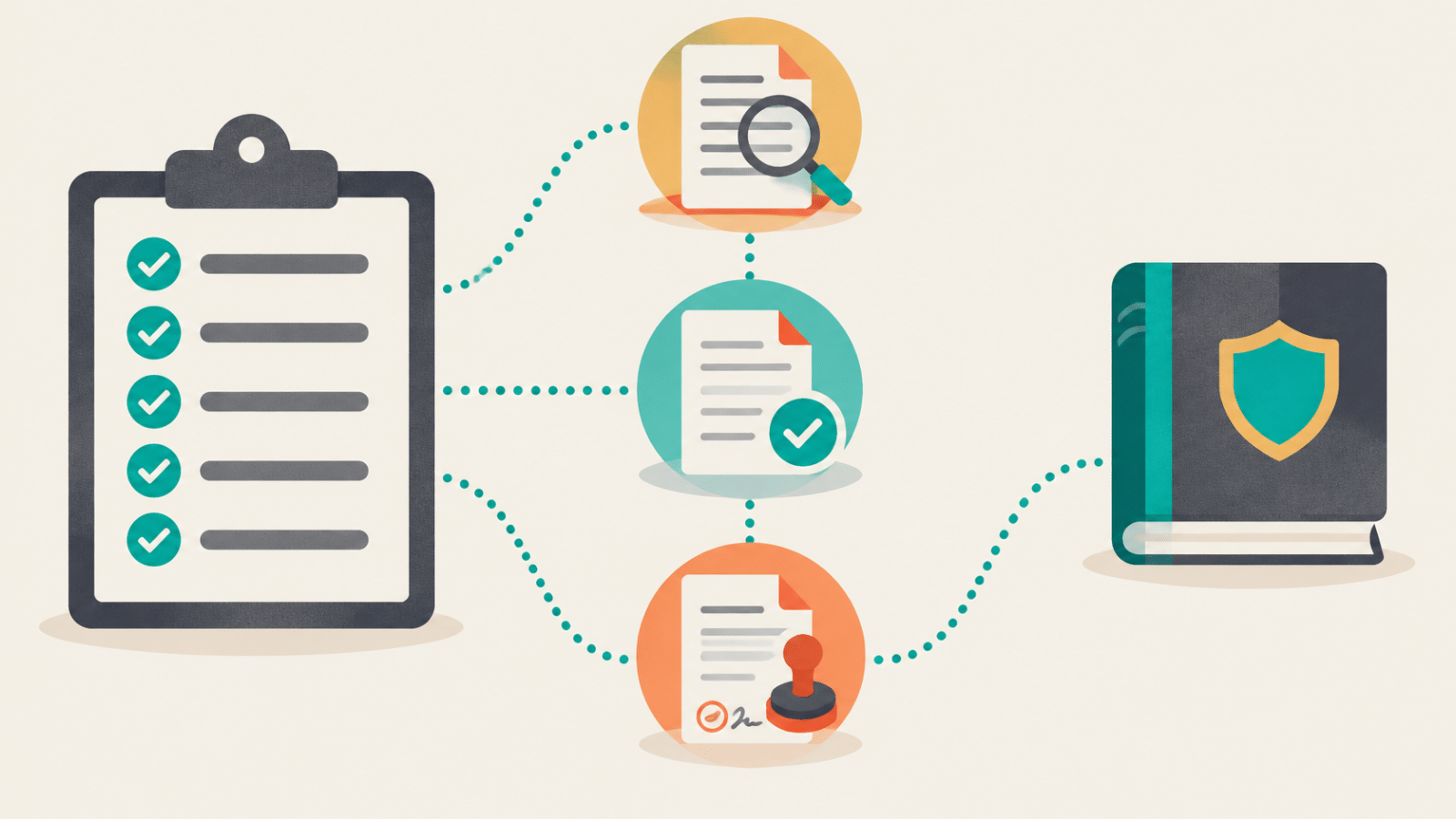
A simple monthly close checklist can look like this:
- All bank and credit card accounts reconciled, with outstanding items listed
- Accounts receivable and accounts payable aging reviewed
- Payroll, loan and sales tax liability accounts checked
- Prepaid expenses and accruals adjusted
- Uncategorized and "ask my accountant" balances cleared
- Profit and loss and balance sheet reviewed against last month
- Open questions sent to the owner in writing
- Books closed with a closing date set
What accounting tasks can a remote accountant own?
A qualified remote accountant can own most of the recurring work that keeps your books current, while you or your CPA keep final approval.
In practice, that means categorizing transactions daily or weekly, entering and scheduling bills, sending invoices and following up on overdue ones, preparing your monthly profit and loss and balance sheet, and getting everything ready for your reviewer. Because the work happens during US business hours, questions get answered the same day. Our post on US and Latin America time-zone overlap explains why that matters for day-to-day work.
Tax filings, audits and formal financial opinions should stay with your licensed US CPA. A strong remote accountant makes that relationship smoother, because the CPA receives clean, documented books.
How ZConnect vets accounting team members
ZConnect is a nearshore staffing company that connects US businesses with skilled, English-speaking remote professionals, and accounting support is one of the roles we place most often. Our clients include accounting firms and small and medium businesses that need reliable help with their books. Here is how we vet accounting team members:
- Background and education reviewWe look at each candidate's accounting education and the kind of bookkeeping work they have done before.
- English conversationWe talk with every candidate to check spoken and written English, because clear notes matter as much as correct entries.
- Hands-on QuickBooks Online checkWe confirm real QuickBooks Online experience through practical questions about reconciliations, bank rules and reporting.
- Match with your businessWe introduce candidates whose experience fits your industry, your software and your way of working.
- Structured onboarding and check-insYour new team member starts with a clear onboarding plan, and we follow up regularly on performance. See how our post-placement support works.
Our goal is simple: add a skilled person to your existing team who keeps your books clean and makes your CPA's job easier. You can learn more about nearshore staffing with ZConnect or read who we are.
Frequently asked questions
Does a remote accountant need to be a CPA?
Not for day-to-day bookkeeping, reconciliations and month-end support. Those tasks need a solid accounting education and hands-on QuickBooks Online experience. Tax filings, audits and formal opinions should stay with your licensed US CPA, and a good remote accountant makes that CPA's job easier.
What software should a remote bookkeeper know?
At a minimum, QuickBooks Online: bank feeds, bank rules, reconciliations, journal entries, bills and invoices, and standard reports. Comfort with spreadsheets and with the document-sharing tools your team already uses matters too.
Can a remote accountant in Latin America handle US sales tax?
A qualified one understands how sales tax is recorded and tracked in the books, can keep the liability accounts clean and can prepare the figures for review. Decisions on where you owe tax and the filings themselves should be confirmed by your US CPA or tax advisor.
How do I know if a new remote accountant is working out?
Watch the first month-end close. Reconciliations should tie out, every adjusting entry should have a note and support, open questions should come to you in writing, and the reviewer should find fewer issues each cycle.
Will a remote accountant work during my business hours?
With ZConnect, yes. Our team members work US business hours, so questions about a transaction or a missing receipt get answered the same day.
Need a qualified accountant on your team?
Tell us how your books run today. We will help you find a vetted, English-speaking accounting professional who fits.
Book a 15-min call